Posted on

Make a checklist you will use twice

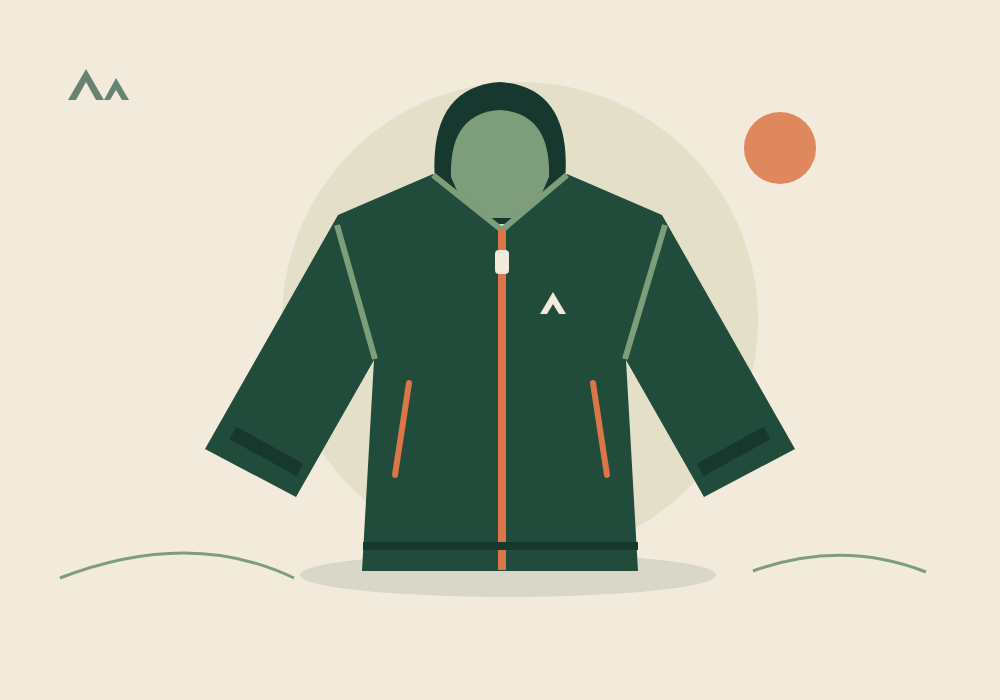
Forest green hooded trail jacket with orange zipper and generous front pockets.

A checklist should remove small decisions rather than add a new job. Keep it short enough to read while packing, and specific enough to prevent the things you tend to forget.

Before you leave

Write down the few essentials for your actual route and conditions. Group related items together: food and drink, layers, navigation, and the little personal items you use every time. Review the list after a few outings and remove anything that no longer helps.

  • Check the plan and expected conditions.
  • Pack the items you will genuinely use.
  • Keep food and drinks secure.
  • Leave enough time for the journey home.

When you get back

Use the same list in reverse. Empty containers, dry equipment, and put reusable items back where they belong. Add one note about what would make the next trip easier. That second pass is what turns a list into a habit.

A digital item in the demo shop provides a different kind of checkout journey. Try a digital-only basket and compare its shipping requirements with a physical product. All orders remain fictional and no payment is collected.

Posted on

Café to coast: a weekend at walking pace

Original graphic landscape of layered green mountains, an orange sun, pine trees, and a winding trail.

The plan began with a café and ended somewhere near the sea. In between, there was a path, a slow lunch, and a few turns we did not need to hurry around. This is a fictional diary rather than a route guide, but the relaxed pace is easy to borrow.

Start with one fixed point

A meeting place gives the morning a shape. Choose somewhere everyone can find, decide how you will get home, and leave room for the rest of the day to unfold. A café is useful because it makes stopping feel like part of the plan.

Our imaginary group carried a simple lunch, a drink, and enough layers for the changing breeze. One person brought a notebook, another brought a camera, and both spent more time looking than recording. The nicest part of the day was not an attraction; it was the conversation between stops.

Save a little curiosity for the return

A familiar street can look different on the way back. Notice the light, the quiet corner, or the shop window you walked past earlier. A small adventure does not have to produce a dramatic story to have been worthwhile.

Search the journal for café, coffee, or weekends to follow related ideas. The accent in café is intentional: a useful site search should handle ordinary international text.

Posted on

Care for the gear you reach for most

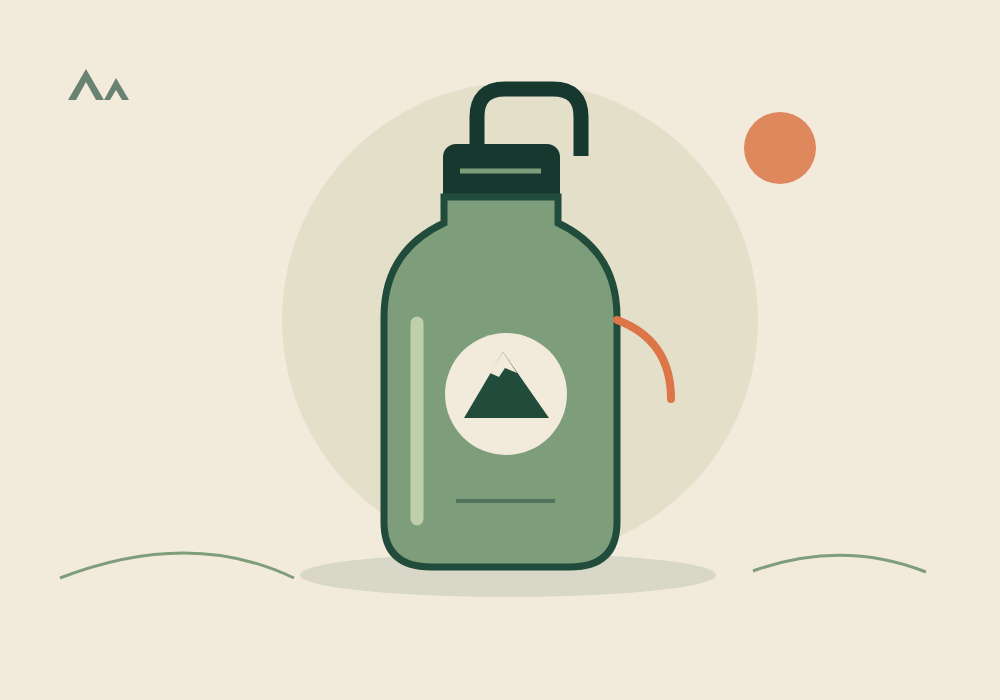
Sage green reusable water bottle with a dark cap, carrying loop, and mountain mark.

Equipment usually needs attention when the day is over, precisely when we are tempted to leave everything in a corner. A short routine is easier to repeat than an ambitious occasional clean.

Empty, inspect, and dry

Empty every pocket before putting a bag away. Remove food containers, check for damp clothing, and let items dry according to their care labels. Follow the actual product instructions for cleaning; different coatings, fabrics, and finishes need different treatment.

Give drink containers their own moment. Separate the parts that are intended to come apart, rinse what can be rinsed, and allow them to dry fully. Do not assume that every mug or lid belongs in a dishwasher.

Make the next trip easier

Return frequently used small items to the same place. Keep a short note if something needs replacing, and do that job before the next early start. A little preparation reduces the familiar search for a missing lid or a damp pair of socks.

These are general fictional journal notes. Real products should always be maintained using their manufacturer’s instructions. For a demo product question, try the contact form with a synthetic message.